
Production efficiency in wood manufacturing is closely tied to how adhesives are selected, handled, and applied. From panel production to furniture assembly, adhesive behavior directly influences cycle time, defect rate, and overall output.
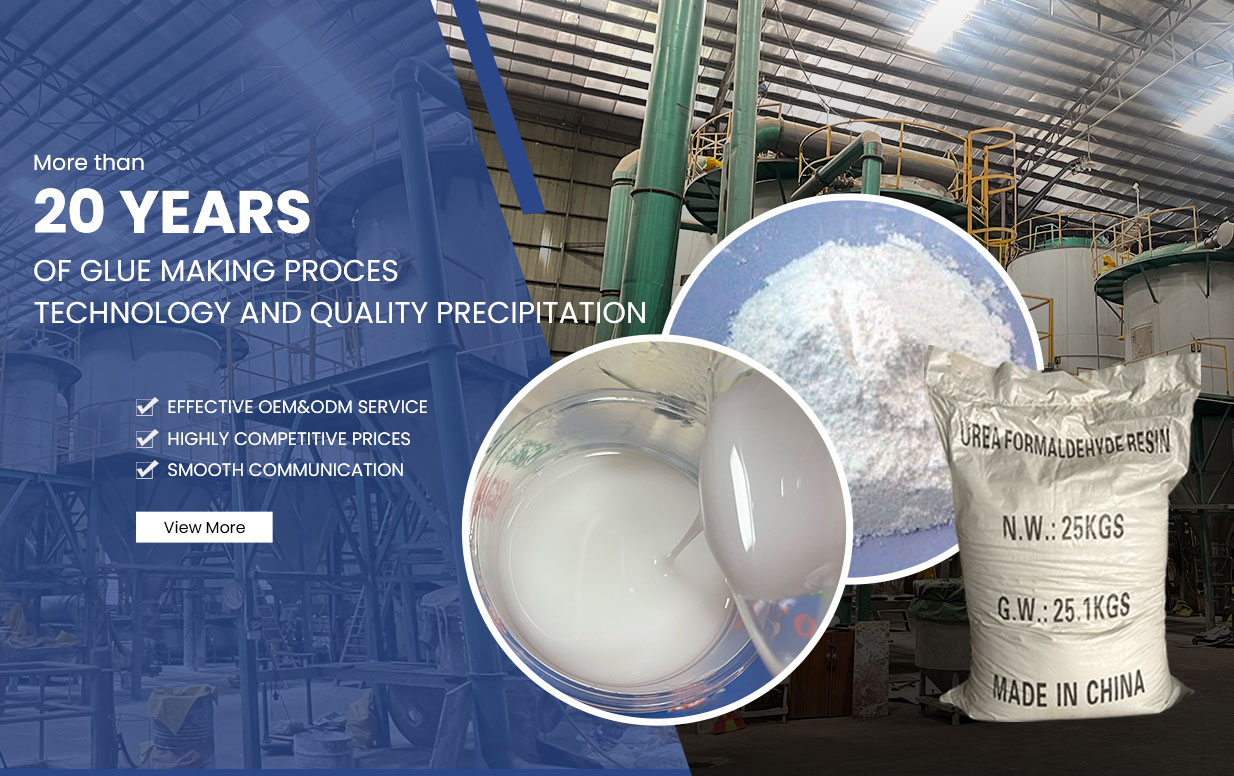
Urea-formaldehyde resin has long been a key bonding material in panel production, furniture components, and engineered wood products. In recent years, powder-based formats have gained attention for their flexibility and storage benefits.
Hot pressing is the decisive stage where wood fibers or veneers transform into a stable bonded structure. Within the wood processing technology industry, controlling temperature, pressure, and adhesive behavior determines whether boards achieve consistent strength and surface quality.
High-density fiberboard production depends on precise bonding technology to achieve strength, surface smoothness, and structural stability. In the engineered board manufacturing industry, adhesive selection is a core factor that directly influences board density, durability, and processing performance.
Choosing the right adhesive partner can directly affect bonding strength, production stability, product appearance, and long-term order delivery. For the wood materials supply industry, adhesive is not only a consumable material. It is part of the production process, quality control system, and final product performance.
Moisture exposure is one of the most common causes of bonding failure in wood products. When water penetrates the bondline, it can weaken adhesion, cause swelling, and eventually lead to structural damage. To address this, manufacturers rely on waterproof wood adhesive systems that are designed to maintain bonding integrity under humid or wet conditions.
Mass production places continuous stress on every variable in the bonding process. Small fluctuations that are manageable in trial runs can quickly expand into large-scale defects when output increases. In wood panel manufacturing, adhesive consistency becomes the foundation of product quality, directly influencing bonding strength, surface finish, and rejection rates.
Selecting the right adhesive is one of the most decisive factors in laminated board performance. Strength, durability, and resistance to environmental changes all depend on how well the adhesive forms and maintains the bondline between layers.
Stable viscosity is one of the most critical parameters in wood adhesive production because it directly determines glue spread, penetration depth, and final bond strength. In modern panel plants, even small fluctuations in viscosity can lead to uneven coating, poor bonding interfaces, or excessive consumption of adhesive.
Plywood that looks flat and strong at the press exit can still fail later in trimming, sanding, storage, or end use. The visible symptom is separation between veneer layers, but the real cause is usually a process imbalance rather than one single defect.