jianguli@goodlyglue.com
+86-18948072250

Glue cost is one of the important factors affecting plywood production expenses because adhesive consumption directly influences the manufacturing cost of every sheet. However, reducing glue cost does not simply mean using less adhesive. Insufficient glue application may lead to weak bonding, quality complaints, and production losses. A better approach is to improve adhesive utilization, control consumption accuracy, and maintain stable production performance. Understanding how glue cost per sheet is calculated helps plywood factories balance product quality and manufacturing efficiency.
The cost of adhesive used for each plywood sheet is influenced by several production conditions. Even when factories produce the same board size, glue consumption may vary because of differences in veneer thickness, moisture content, adhesive formulation, and application methods.
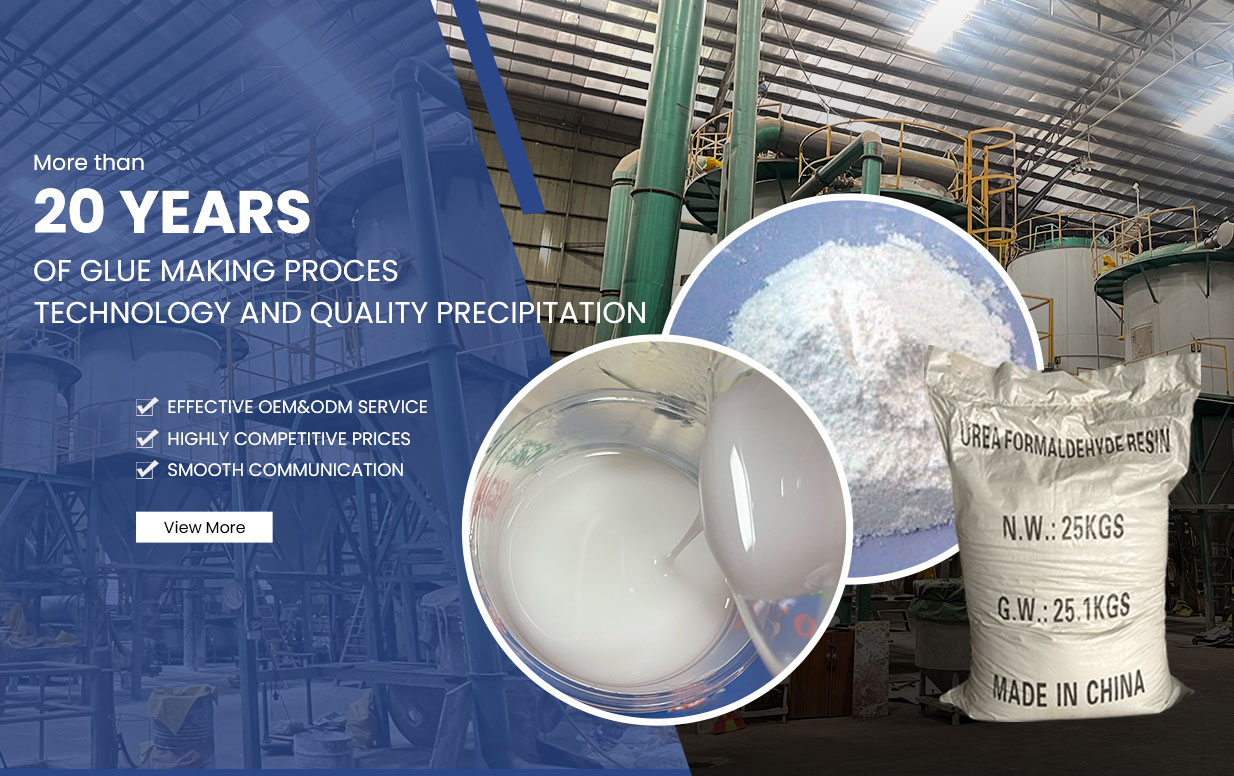
uf resin powder is commonly used in plywood manufacturing because it provides stable bonding performance and convenient storage characteristics. However, the actual cost impact depends on how efficiently the resin is prepared and applied during production.
A higher glue cost per sheet may come from:
Excessive adhesive application beyond the required amount
Uneven glue spreading that creates material waste
Incorrect adhesive preparation ratios
Poor control of veneer conditions before bonding
Production adjustments caused by unstable bonding results
Controlling these factors helps manufacturers reduce unnecessary adhesive consumption while maintaining expected panel quality.
Many manufacturers only focus on adhesive purchasing price, but the real production cost depends on adhesive usage efficiency.
The basic calculation includes the amount of adhesive applied to each plywood sheet compared with the final output quantity.
The evaluation process usually considers:
Amount of uf resin powder used in one production batch
Number of plywood sheets produced from that batch
Veneer area requiring adhesive coverage
Target bonding strength requirements
Production losses caused by quality problems
A lower adhesive price does not always create lower production costs. If the material requires higher consumption or causes unstable bonding results, the overall manufacturing expense may increase.
Glue consumption is affected by both material conditions and production management. Some factories experience higher costs because adhesive usage is not adjusted according to actual production requirements.
Veneers with unsuitable moisture levels may require additional adhesive adjustment because the bonding process becomes less predictable.
Applying more adhesive than necessary increases material usage without providing proportional benefits. A suitable spread rate helps balance bonding performance and cost control.
Poor preparation of adhesive mixtures may create uneven application, causing some areas to receive excessive glue while others receive insufficient coverage.
Without regular monitoring, small differences in adhesive usage can accumulate into significant cost increases over large production volumes.
Reducing glue waste requires improving the entire bonding process instead of focusing only on adhesive purchasing price.
Practical approaches include:
Establishing standard glue application parameters for different plywood specifications
Checking veneer conditions before adhesive application
Maintaining accurate measurement during resin preparation
Training operators to follow consistent production procedures
Reviewing adhesive consumption data regularly
These methods help factories understand where adhesive is being lost and create more efficient production habits.
Adhesive management affects more than material expenses. Stable glue usage can also improve production efficiency by reducing quality problems and unnecessary rework.
When adhesive consumption remains consistent, manufacturers can achieve:
More predictable production costs
Better control of material inventory
Fewer bonding-related defects
Improved production planning accuracy
For plywood factory cost buyers, controlling adhesive usage is an important part of managing overall manufacturing performance.
The goal of cost control is not to minimize adhesive usage as much as possible. The correct approach is finding the right balance between material consumption, bonding performance, and production stability.
A suitable adhesive solution combined with accurate application control allows manufacturers to maintain product quality while improving cost efficiency. By analyzing production data and continuously optimizing processes, plywood factories can achieve more stable glue cost per sheet and stronger long-term manufacturing performance.