jianguli@goodlyglue.com
+86-18948072250

Meal prep brands do not win with recipes alone. They win with containers that protect food quality, support kitchen speed, travel well, and still fit cost targets at scale. The wider food container market is large and still growing. Mordor Intelligence estimates global food containers at USD 217.92 billion in 2026, while Grand View Research values polypropylene rigid food containers at USD 18.44 billion in 2024 with growth projected through 2033. That tells manufacturers and buyers one clear fact: container choice has become a strategic supply decision, not a packaging afterthought.
A good container for meal prep has to perform across several stages. It must handle filling speed in the kitchen, stack efficiently in cold storage, resist leakage during delivery, and keep its shape after reheating or transport. Containers also influence portion consistency, shelf presentation, and customer complaint rates. Reports on the meal prep container segment show plastic still holds the leading share, and rectangular formats remain dominant because they use shelf and delivery space efficiently.
That is why the best container is rarely the cheapest unit. It is the one that delivers the lowest total packaging risk over repeated production cycles. For a meal prep business, that usually means balancing material cost, heat resistance, sealing performance, stackability, and regulatory suitability.
For most hot and chilled meal programs, polypropylene remains the strongest mainstream option. It is lightweight, cost-efficient, durable, and widely accepted for microwaveable applications. Grand View Research notes polypropylene is favored for toughness, chemical resistance, and heat tolerance, which fits the daily demands of prepared meal distribution. For central kitchens, subscription meals, and supermarket ready-meal lines, this material often gives the best mix of productivity and cost control.
Some meal prep businesses want a more natural packaging image, especially in premium, organic, or sustainability-led segments. In those cases, molded fiber, paper-laminated, or wood-based composite structures can support the brand story better than standard plastic. This is where upstream material quality matters. In the eco wood materials industry, packaging strength and emissions control depend not only on fiber quality but also on the adhesive and resin system used during board or composite production. GOODLY focuses on this part of the value chain with resin solutions for wood-based materials, helping manufacturers pursue stable bonding and controlled panel performance.
For salads, fruit bowls, sandwiches, and grab-and-go chilled meals, clear containers remain attractive because they display freshness directly. PET is often used when visual appeal is a sales tool. It is less suitable than polypropylene for reheating, but it works well when products are sold cold and appearance drives shelf conversion.
Meal prep customers often expect controlled macros, separate sauces, and better food presentation. Rectangular multi-compartment containers help maintain texture separation and keep plated appearance cleaner after transport. They also support more consistent filling lines because each compartment can be assigned a standard gram range.
Below is a simple way to compare common options for meal prep packaging.
| Container type | Main strength | Best use | Main concern |
|---|---|---|---|
| Polypropylene tray | Heat resistance and low cost | Hot meals and reheatable weekly plans | Less premium visual feel |
| Clear PET container | Product visibility | Cold meals and retail display | Limited high-heat suitability |
| Fiber based container | Sustainable image | Eco-positioned meal brands | Moisture and structure need careful validation |
| Multi-compartment tray | Portion separation | Balanced meals and macro plans | Higher tooling and sealing complexity |
The most expensive mistake is choosing a container only by unit price. A slightly cheaper tray can increase lid failure, food movement, warehouse inefficiency, or customer replacement costs. For that reason, experienced manufacturers evaluate container performance through line testing, sealing consistency, compression strength, and transport simulation before expanding a packaging program.
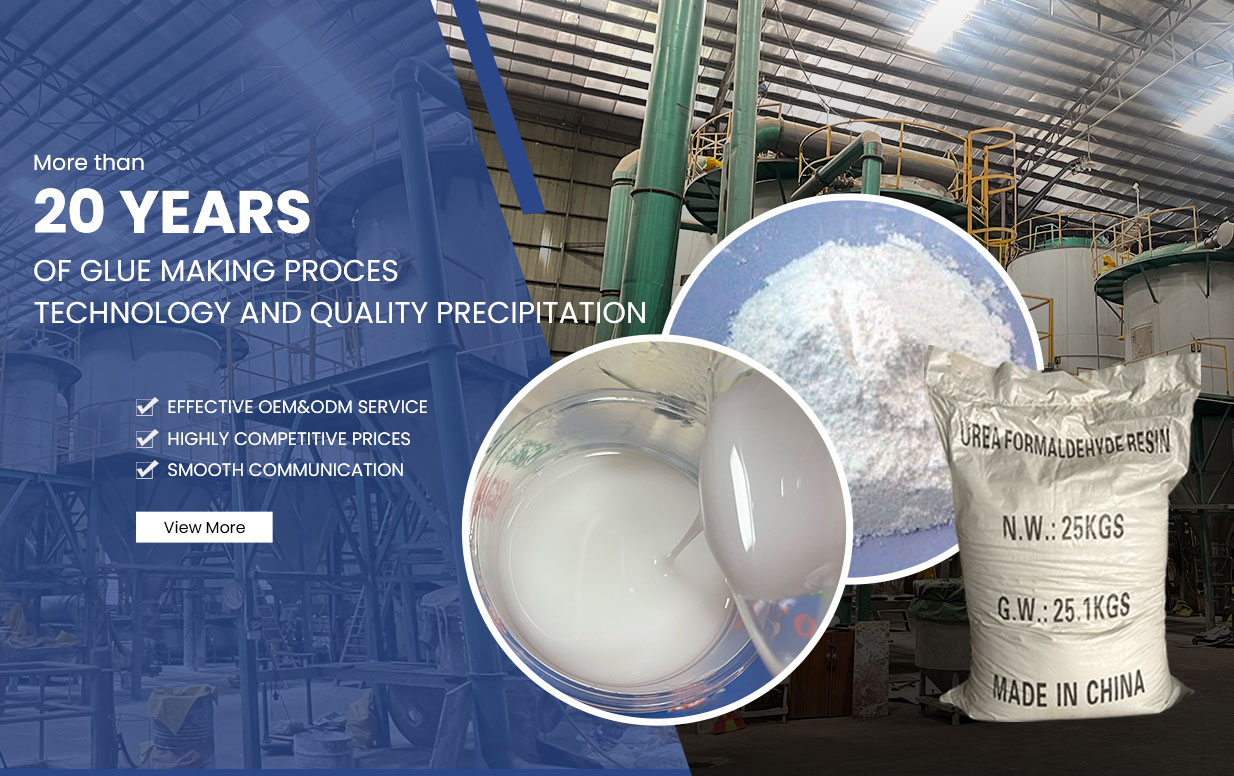
As more buyers explore alternatives to fully conventional plastic, wood-based and fiber-based packaging formats are getting more attention. In those applications, adhesive chemistry becomes part of packaging performance. GOODLY specializes in Urea Formaldehyde Resin Powder and melamine urea formaldehyde systems for wood processing materials. Its product range supports plywood, MDF, particleboard, decorative paper impregnation, and related composite manufacturing, all of which are relevant when packaging developers need stable substrate performance for formed or laminated structures.
GOODLY also highlights process control advantages such as balanced curing behavior, stable bonding, and adjustable formulation for different production needs. Its technical guidance references hot pressing conditions of 80 to 120 degrees Celsius, pressure of 8 to 16 kilograms per square centimeter, and pressing time linked to board thickness, showing that the company works from a process-oriented manufacturing perspective rather than generic adhesive claims.
For buyers developing fiber-based or wood-composite food service packaging, this matters. A low emission wood adhesive can help reduce downstream quality risk when the substrate must remain stable under converting, laminating, die cutting, or forming. A formaldehyde control resin is also important when the target market expects tighter indoor and material compliance standards. In certain applications, an E0 grade uf resin may be considered as part of the material selection path when emission performance is a major specification point.
The best container depends on the menu, the sales channel, and the production rhythm.
If the business sells hot meals for office delivery or weekly subscriptions, polypropylene trays usually offer the most practical balance of cost, strength, and reheating performance. If the brand depends on shelf appearance, cold-chain visibility, and salad presentation, clear containers often support stronger retail conversion. If the brand is pushing a sustainability message, fiber and wood-based composite solutions may create more differentiation, but they require stronger control over substrate engineering and bonding systems.
That is where supplier capability becomes decisive. GOODLY’s positioning in resin powder manufacturing gives packaging developers an upstream partner that understands board stability, durability, curing consistency, and emission-focused formulation. Its recent content also emphasizes customization readiness for different density targets and production needs, which is useful for manufacturers trying to refine sustainable packaging materials without losing processing efficiency.
The best meal prep container is the one that keeps food safe, supports fast filling, survives delivery, and fits the commercial model over thousands of units, not just one sample run. Plastic remains the mainstream answer for many operations because it is efficient and proven. Yet as sustainable packaging development moves forward, wood-based and fiber-based structures will become more important, and the performance of the resin system behind those materials will matter more than ever. GOODLY stands out by focusing on that technical foundation, helping material manufacturers build packaging substrates with stronger consistency, better process control, and a more reliable path toward upgraded container solutions.