jianguli@goodlyglue.com
+86-18948072250

Indoor furniture safety depends on the combined performance of panel materials, adhesive systems, decorative finishes, production control, and finished-product testing. A formaldehyde scavenger can support this process by helping reduce residual formaldehyde released from composite wood materials used in furniture.
Furniture makers often work with plywood, particleboard, MDF, veneer panels, and laminated components. Each material can respond differently depending on resin usage, board density, surface treatment, storage time, and the indoor conditions in which the finished item is used. Emission control therefore needs to be considered before furniture assembly, not only when the final product is ready for delivery.
A Formaldehyde Scavenger is designed to capture or react with free formaldehyde in a wood-panel system. It may be incorporated during material production or applied according to the requirements of the adhesive and board process. Its purpose is to support lower-emission panel performance while retaining the properties needed for manufacturing.
The additive should be evaluated together with the full resin formulation. Adding a scavenger without checking compatibility may affect curing behavior, glue viscosity, bonding strength, or production efficiency. Proper formula matching helps ensure that emission reduction does not create new concerns such as weak glue lines, inconsistent board surfaces, or slower pressing cycles.
For furniture intended for enclosed indoor environments, an indoor furniture formaldehyde reduction strategy should also account for surface coatings, laminates, edge sealing, and the amount of exposed panel area. These factors can influence how emissions are released from the final furniture piece.
The best results come from a consistent material-control system. Manufacturers can begin by selecting suitable low-emission resin technology and then establish clear procedures for weighing, mixing, pressing, conditioning, and testing. Finished boards should be assessed under relevant test conditions before they enter furniture production.
During furniture assembly, cutting and drilling may expose new board edges. Effective edge treatment and appropriate decorative finishes can help protect the final component while supporting a clean, consistent appearance. Storage conditions also matter because heat and humidity can influence the way volatile compounds are released over time.
Practical quality checks may include:
Reviewing emission results for incoming panel materials
Comparing test data before and after formula adjustment
Checking bond strength and surface quality during production trials
Inspecting cut edges and sealed surfaces after machining
Confirming that finished furniture meets the required market standard
A scavenger is an important tool, but it works best as one part of a controlled production plan. Resin selection, correct additive dosage, stable wood moisture, press conditions, finishing process, and quality verification should be managed together.
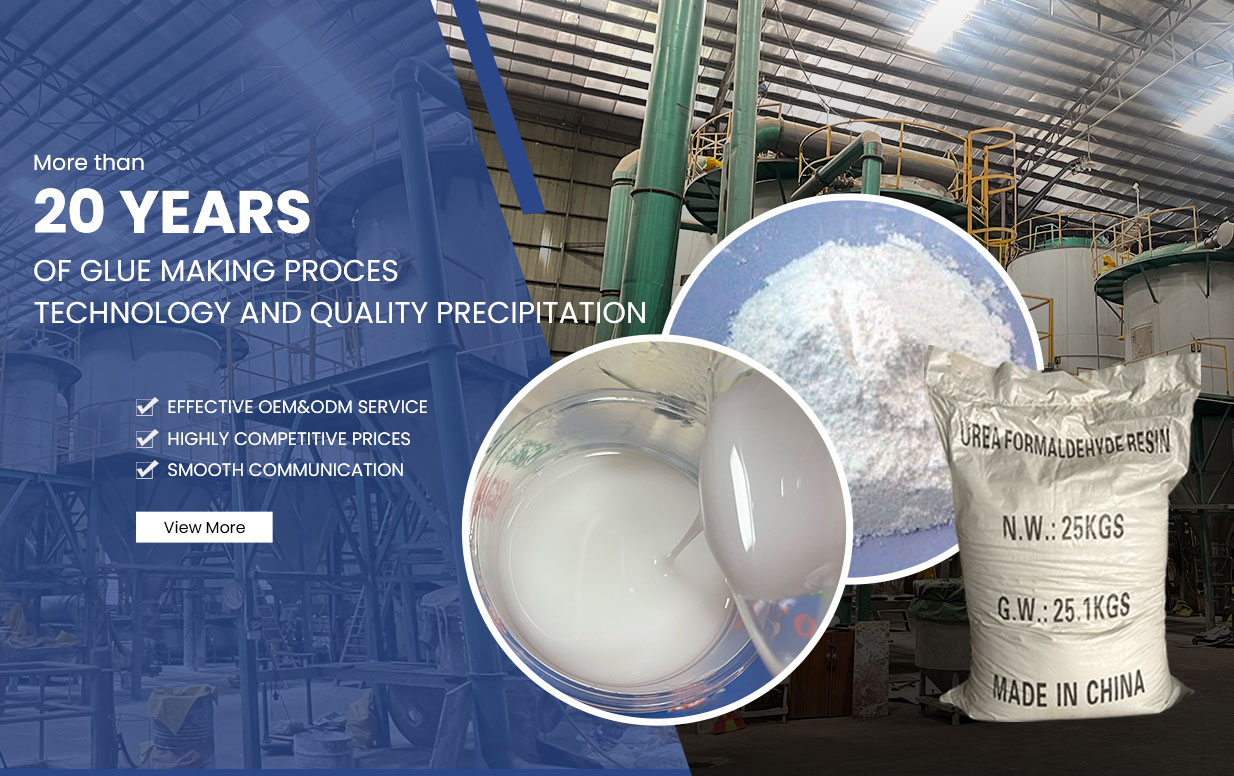
Our factory supplies Formaldehyde Decomposer solutions and powdered resin systems for wood-based applications. We can discuss the panel type, current adhesive formulation, production process, and target emission level before recommending a trial direction.
Furniture manufacturers compliance buyers can use production data to create a more meaningful evaluation. Panel thickness, board type, resin consumption, furniture structure, and final surface treatment all provide useful information for selecting an appropriate solution.
Share your panel application and current production conditions with our team. We can support sample planning, formula evaluation, and quotation discussions for formaldehyde-control solutions that fit your furniture manufacturing process.