jianguli@goodlyglue.com
+86-18948072250

Export purchasing is not only about finding an adhesive that can bond wood panels. Buyers also need stable shipment, safe storage, clear documents, predictable usage, and fewer problems after the container arrives. This is why powdered adhesive for wood panels is often easier to manage than many liquid adhesive options.
For plywood, MDF, particleboard, decorative panels, and veneer lamination, Wood Adhesive Resin Powder gives factories more flexibility in transport and production planning.
Powdered adhesive contains much less water than liquid glue. This makes each shipment more efficient because buyers are not paying freight for unnecessary liquid weight.
For overseas adhesive wholesale buyers, this advantage becomes more obvious in container shipping. Dry powder is easier to pack in bags, stack on pallets, and arrange inside containers. It also reduces the risk of leakage during long-distance transport.
International freight operations usually calculate cargo by weight, volume, packaging type, and handling risk. A dry powdered product can often be easier to plan than drums or liquid tanks when the buyer needs repeated bulk supply.
After arrival, storage is another major concern. Liquid glue may require more space, stricter temperature control, and careful leakage prevention. Powdered adhesive is easier to store in bags when the warehouse is dry, shaded, and ventilated.
A normal storage plan should include:
Keeping bags away from moisture
Avoiding direct sunlight
Using pallets instead of floor stacking
Checking outer bag damage before storage
Following first-in first-out stock rotation
The U.S. Forest Products Laboratory explains that adhesive performance is affected by moisture, temperature, pressure, spread rate, and curing conditions. This also reminds buyers that storage control before use is part of final bonding performance.
Powder adhesive allows factories to mix glue according to daily production demand. This reduces waste from unused liquid glue and gives production teams more control over viscosity, working time, and batch preparation.
A factory can adjust mixing volume based on order size, board thickness, veneer condition, and press schedule. For export buyers managing different customers or product grades, this flexibility is valuable.
| Export Concern | Powdered Adhesive Advantage |
|---|---|
| Long-distance shipment | Lower leakage risk |
| Warehouse storage | Bagged dry storage is simpler |
| Production planning | Mix according to daily use |
| Cost calculation | Less water shipped in containers |
| Inventory control | Easier stock rotation |
| Batch testing | Samples can be compared before use |
Export purchasing depends on repeatability. Buyers need each shipment to perform consistently, especially when supplying panel factories with continuous production lines.
Powdered adhesive makes batch tracking easier when bags are labeled clearly with production date, batch number, net weight, and storage guidance. This helps buyers connect production results with specific shipments.
When a factory reports a bonding issue, batch records can help identify whether the cause came from storage, mixing, veneer moisture, pressing conditions, or adhesive performance.
Export buyers usually need documents before shipment and after customs clearance. Common documents include technical data, safety information, packing list, commercial invoice, certificate of analysis, and storage instructions.
For wood panel factories serving regulated markets, formaldehyde-related requirements may also influence adhesive selection. The U.S. EPA states that hardwood plywood, MDF, and particleboard sold, supplied, manufactured, or imported into the United States must meet TSCA Title VI formaldehyde emission standards.
Adhesive powder alone does not guarantee finished board compliance, but stable resin quality and complete product information help buyers manage panel testing and factory records more effectively.
Liquid adhesive can face leakage, container contamination, drum damage, freezing, sedimentation, or shorter usable life during long shipping routes. Powdered adhesive reduces many of these risks when packaging is properly sealed.
This does not mean powder needs no care. Moisture is still the main storage risk. If packaging is broken or the warehouse is humid, powder may clump and become harder to mix. Good export packaging should protect the product from moisture during shipping and storage.
Powdered adhesive helps buyers calculate usage more clearly. Since factories mix the adhesive before use, they can control preparation volume and reduce leftover waste.
The real cost should be measured by qualified board output, not only adhesive price. A stable resin powder can help reduce rejected panels, glue line problems, delayed shipments, and customer complaints.
From a purchasing perspective, easier cost planning means fewer unexpected losses after the product arrives.
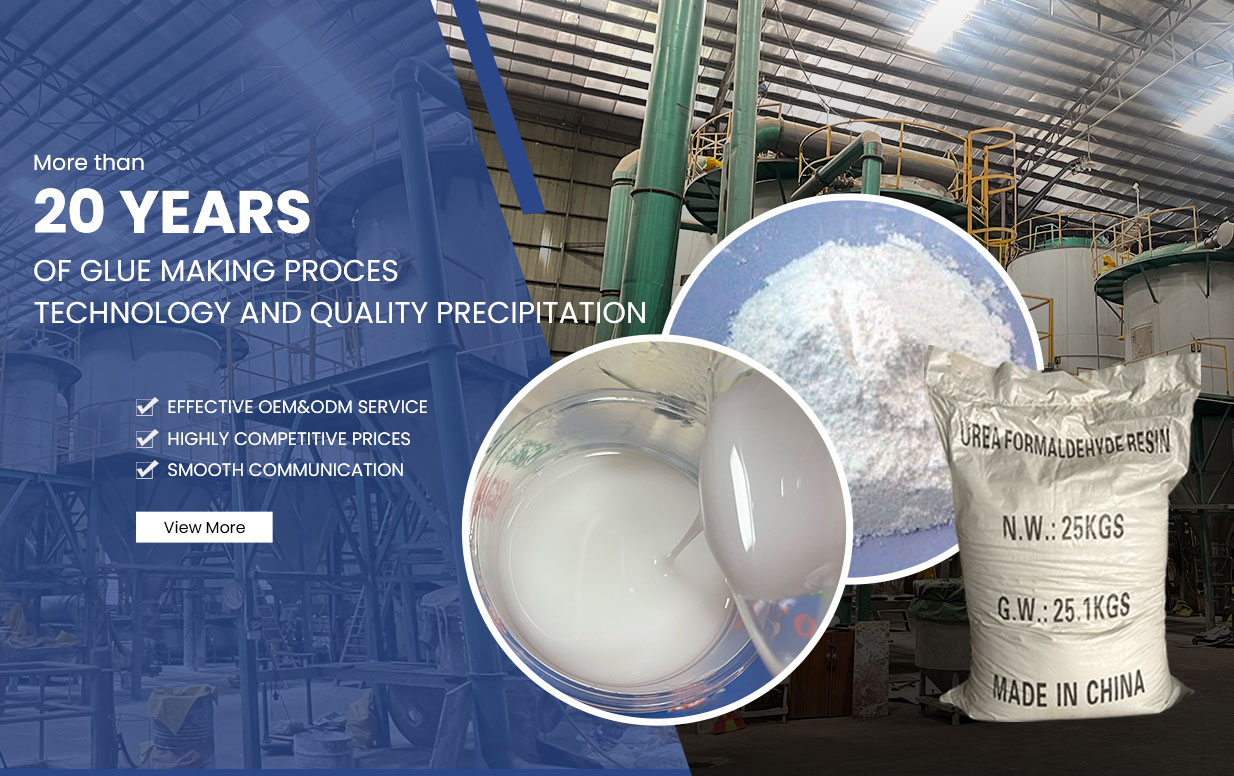
Goodly produces wood adhesive resin powder for plywood, MDF, particleboard, veneer lamination, decorative panels, and related wood-based panel manufacturing. Our team focuses on practical export needs, including product matching, packaging protection, technical documents, sample testing, and repeat batch supply.
We recommend that buyers test adhesive powder under their own production conditions before large-scale purchasing. The test should include dissolving speed, viscosity, glue spread, hot-press result, bonding strength, and panel condition after storage.
Powdered wood adhesive is easier for export buyers because it supports more efficient shipping, simpler warehouse management, flexible factory mixing, clearer batch control, and better long-term purchasing planning.
For wood panel production, adhesive is not only a chemical material. It affects logistics, inventory, production rhythm, quality control, and final board reliability. Choosing a stable powdered adhesive helps buyers manage the full export supply chain with fewer risks.